


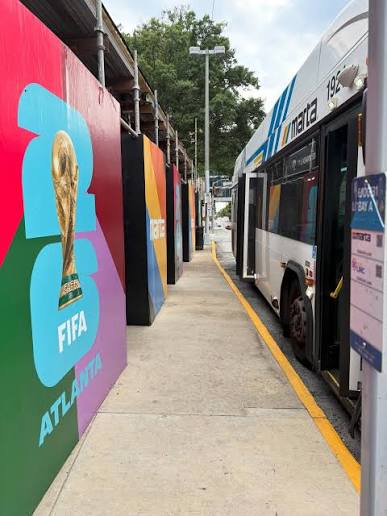
When a major sporting event arrives in a host city, the experience does not begin at kickoff. For many fans, it begins at the airport, train station, bus stop, platform, park-and-ride lot, or shuttle queue. Across North America, the 2026 World Cup put public transit in the spotlight. Millions of fans moved between host cities, stadiums, hotels, fan festivals, and local destinations. Some are daily riders who know their local systems well. Others are visitors navigating unfamiliar routes, payment methods, languages, and schedules for the first time. For transit agencies, that creates a rare operational test. World Cup service is about managing fast- changing demand, coordinating teams across the field and control center, keeping riders informed, preparing vehicles before they leave the yard, and responding quickly when conditions change. In that way, the World Cup is showing what modern transit operations require on a daily basis.
The Pressure Behind the Fan Experience
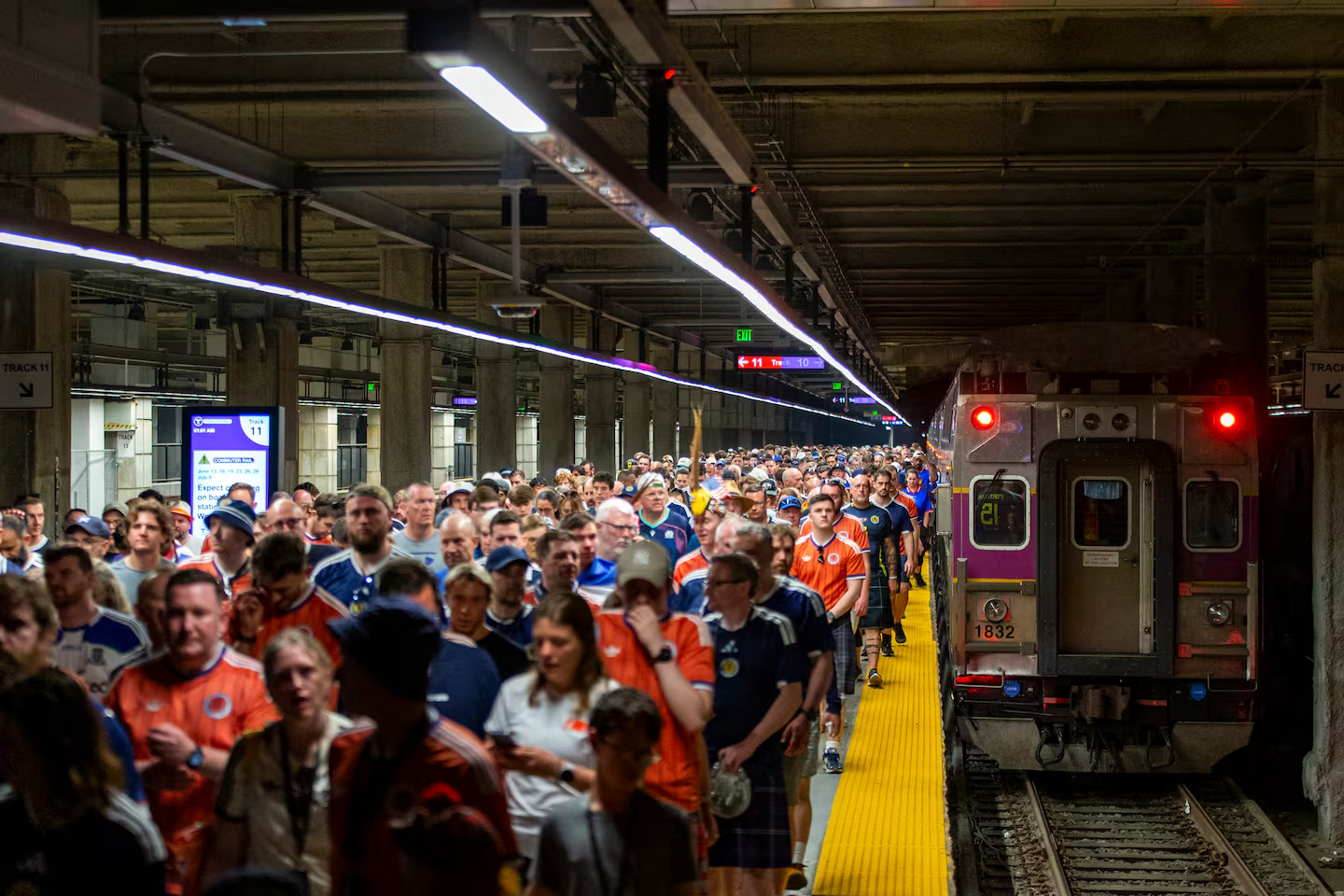
Major sporting events create concentrated movement. Thousands of people may arrive over several hours, but they often leave within minutes of the final whistle. A station that was manageable before the match can become crowded almost instantly. A delay on one route can affect transfers, shuttles, traffic flow, and passenger confidence across the network. For riders, the experience feels simple when it works. They find the right stop, board the right vehicle, receive clear updates, and get where they need to go safely. When it does not work, the gaps are obvious. Long waits, unclear directions, crowded platforms, and inconsistent communication can shape how visitors view the transit system, and sometimes, the city as a whole. For that reason, this year’s World Cup is such an important moment for the reputation of American public transportation. It allows agencies across the country to demonstrate reliability on a global stage. It also highlights the truly complex inner workings behind every smooth trip an attendee experiences.
Visibility Turns Pressure Into Action
 During World Cup operations, agencies need to understand what is happening across the system in real time. These are some common questions on agencies’ minds at any given moment during a major event:
- Where are vehicles bunching?
- Where are service gaps forming?
- Which routes are seeing unexpected demand?
- Which field teams need support?
- Which operators need updated instructions?
Real-time monitoring helps agencies move from reactive decision-making to informed action. Dispatchers and supervisors can adjust service, support operators, monitor schedule performance, and respond to disruptions before they create larger issues for riders. That kind of visibility is essential during a global event, but it is just as valuable during everyday service. Traffic, weather, construction, operator shortages, and incidents can affect transit performance at any time. The agencies that can see those conditions clearly are much better positioned to keep service moving than those who can’t.
Clear Rider Information Builds Confidence
The World Cup also introduces a large group of occasional and first-time transit riders. Many fans may not know which fare option to use, where to transfer, how long the trip will take, or what to do if service changes. Clear passenger information becomes part of the service itself. Some examples of information that help riders feel confident through their journey include:
- Real-time displays
- Onboard announcements
- Mobile updates
- Consistent alerts
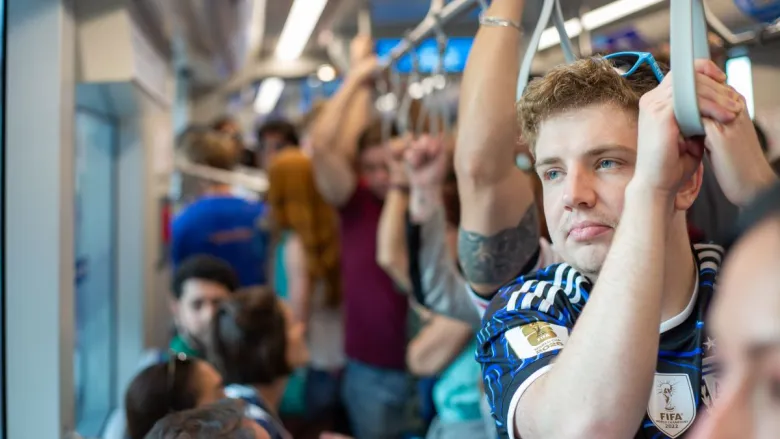
This is especially important when agencies are managing visitors who may be unfamiliar with the city or the transit network. A positive rider experience during events like the World Cup can leave a lasting impression. Fans who see transit as convenient and reliable may be more likely to use it again. Local residents may also see the system in a new way when it performs well under pressure.
Operations Begin Before Vehicles Reach the Route
A successful World Cup transit plan starts long before fans board. Vehicles need to be ready, positioned, maintained, and dispatched at the right time. Yard teams need visibility into fleet availability. Agencies operating zero-emission vehicles also need to account for charging, scheduling, and vehicle range. These behind-the-scenes decisions directly affect service reliability. If vehicles are delayed leaving the yard, the rider experience changes. If agencies lack a clear view of fleet readiness, it becomes harder to respond when demand spikes. Major events make this connection easier to see, but the same principle applies every day. Strong service depends on coordinated operations from the yard to the route.
A Connected Foundation for Major Event Service
The World Cup is a timely reminder that transit agencies need connected systems to manage complexity. Bus and rail management, field operations, communications, onboard technology, passenger information, integrations, and yard management all contribute to delivering reliable service. Vontas helps agencies build that connected operational foundation. With intelligent transportation solutions that support real-time visibility, communication, rider information, onboard integration, and fleet readiness, Vontas helps transit teams manage the moving parts behind every journey. To learn more about how Vontas solutions can help you and your agency prepare for your next major event, speak with one of our experts.